
If you missed my first post about The Emotional Craft of Fiction….
So a few years back, my beloved older sister got me a book on writing. Over the years, I’ve skimmed through different chapters but now I’ve decided it’s time I read the book in full and share my findings with you all.
So here is The Emotional Craft of Fiction by Donald Maass
Chapter 2: Inner versus Outer
- The chapter speaks of three modes:
- Inner mode- telling of emotions
- Outer mode – showing of emotions
- Other mode – making the readers feel something that the story’s characters do not themselves feel
Action in a story is an opportunity for us to feel something. The first example the book uses is from “The Silver Linings Playbook” (2008).
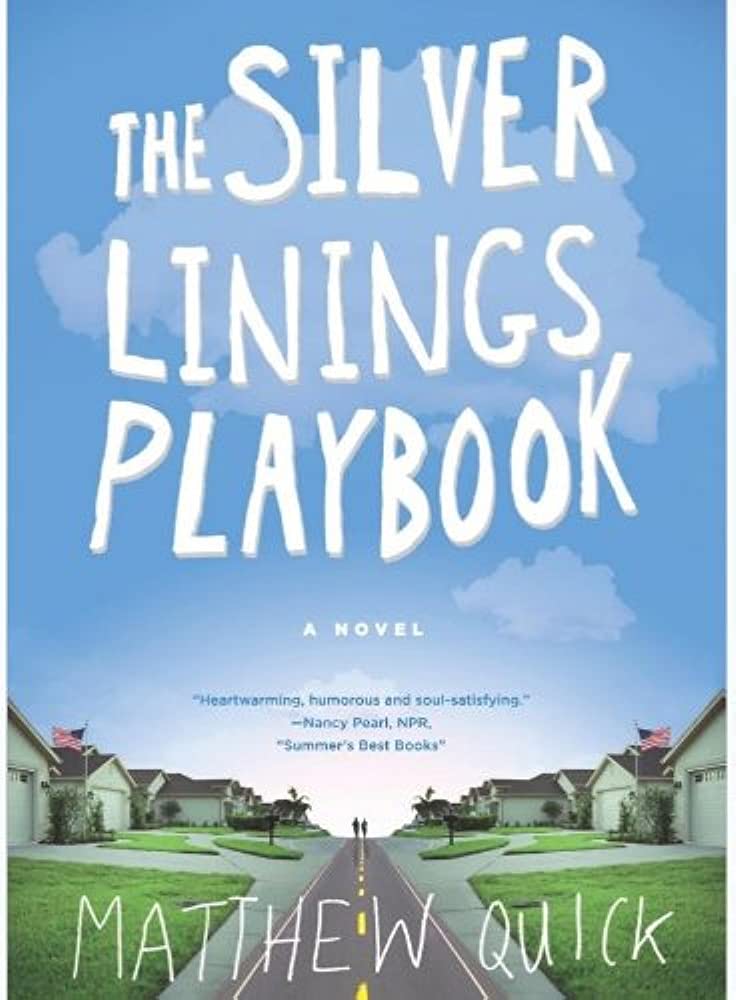
To summarize the two scenes, in the first, the main character is waiting in the psychiatric office but has a psychotic breakdown because of a song. In the second scene, his mother makes up an obsurd story about why the pictures of him and his wife are gone from his house to conceal the fact that his wife left him.
- The painful emotional lives of such characters need to become tolerable for readers. Humor and objective showing create a safety zone
- When character emotions are highly painful, pull back.
Maas cites Ernest Hemingway- Find what gave you emotion; what the action was that gave you the excitement. Then write it down making it clear. So the reader will see you too and have the same feeling you had.
Only when a situation has a heavy emotional bag will readers pick up the baggage and carry it.
People’s emotions are complicated. Writing unexpected emotions catches the reader’s attention.
The next example was Fahrenheit 451 by Ray Bradbury

To summarize, Montag steals a book from a burning house and feels sudden excitement as the house is about to be lit up even though a woman is about to die.
Du Maurier’s emotional method
1. An analogy
2. Alternatives
3. Moral judgment
4. Justification
Why use this method?
- Creates a longer passage and gives the reader’s brain time to process and arrive at their own emotional response
Readers expect their experience to be a positive one.
To quote page 24:”Entertainment gives consumers feelings of competence, autonomy, and relatedness… Competence comes from mastering the challenges presented in the story. Autonomy means that readers feel unique and they’re reading choices. Relatedness comes from the adoration of characters which is explained by effective disposition theory.”
Readers want to feel something about themselves from reading your story they want to play. They want to anticipate guess, think and judge. They want to finish a story and feel competent. They want the field. They’ve been through something they want to connect with your characters and live their fictional experience or believe that they have.
Readers of must take an emotional journey.
 The Writing Coconut